Technology is advancing at a pace that we never envisioned. (2017).Brain-Computer Interface Technology: A Review of the First International Meeting. This process lets individuals use their brains to instruct devices in ways that are not possible with other control types. The concept may seem like science fiction, but it is already in practice.
What is a Brain-Computer Interface?
A Brain-Computer Interface is a connection between brain and computer, or brain and machine interface. It can then read the signals in your brain and translate them into commands. A person could use it to move a robotic arm, type on a screen or even control a wheelchair without having to touch anything.
How Does it Work?
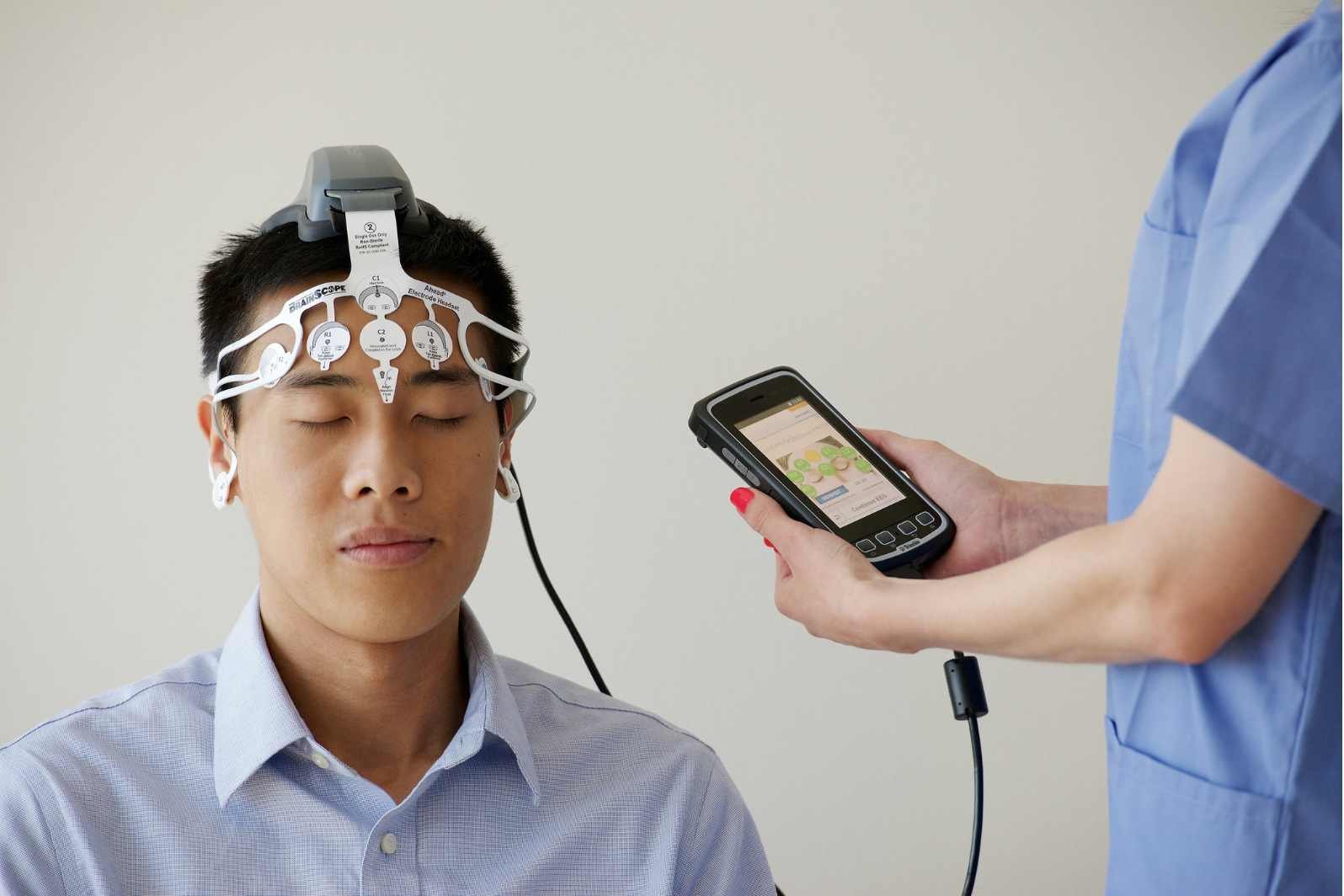
Our brain uses small electrical signals. These signals are then detected by sensors that form part of BCIs. These sensors can either be located on the scalp (non-invasive) or within the brain (invasive). A computer will then interpret the signals to find pattern in them It’s pointed out, and once it does so acts upon this. It can not only identify when you think about moving your hand, for example, but make a robotic hand do so.
Types of BCIs
1. Non-invasive BCIs – These also involve instruments that are worn on the head, such as EEG caps. They are less accurate, but also safer and easier.
2. Invasive BCIs: These are inserted in the brain. They offer better control and precision, but are surgical.
3. Semi-invasive BCIs − These are positioned between the skull and brain. They are more accurate than non-invasive, but less invasive than invasive.
Applications of BCIs
BCIs are changing many fields:
- Healthcare: BCIs can allow paralysed patients to move prosthetic arms or legs. For people who cannot speak, BCIs can be used for communication via text or voice systems.
- Neurorehabilitation: BCIs assist recovery from stroke or brain injury by retraining the brain.
- Games and Entertainment: Firms are developing games that people can control with their thoughts. This creates new styles of play.
- Military and Security: Experiments are underway to allow soldiers to control machines using only their thoughts, or perhaps use drones in lieu of soldiers.
- Practical Use: BCIs will let us control smart phones, computers, and even smart homes with our minds.
Benefits of BCIs
- They provide independence for those with disabilities.
- Without expending a calorie, they can expedite their communication.
- They allow for the implementation of newer learning and training processes.
- They carry with them space-age control of devices.
Challenges of BCIs
As powerful as BCIs are, they still face significant challenges:
- Sensitivity: Brains are complicated, and brain signals are hard to interpret.
- Cost: Devices and surgeries are costly.
- Ethics: Concern over privacy and brain data abuse is growing.
- Safety: Invasive equipment can be medically unsafe.
The Future of BCIs
The future looks exciting. Advanced BCIs like those being developed by Neuralink could let humans communicate directly with computers. Picture composing an email, steering a car or speaking another language with just your thoughts. BCIs could be as common as smartphones in the next decade.
FAQs:
Q1: Is it possible for BCIs to actually read minds?
No, BCIs don’t read your thoughts like several chapters in a book. They detect only certain brain signals that are associated with actions or intentions.
Q2: Are BCIs safe to use?
Non-invasive BCIs are generally safe. Invasive treatments require surgery and have risks.
Q3: For whom is BCI most useful?
Those with speech impediments, or others who are paralyzed or disabled also benefit.
Q4: Are there any practical applications for BCIs now?
There are some basic BCIs already, but widespread everyday use is still to come.
Q5: Will BCIs replace smartphones?
In the not-too-distant future, they might complement or even replace some of a smartphone’s functions.