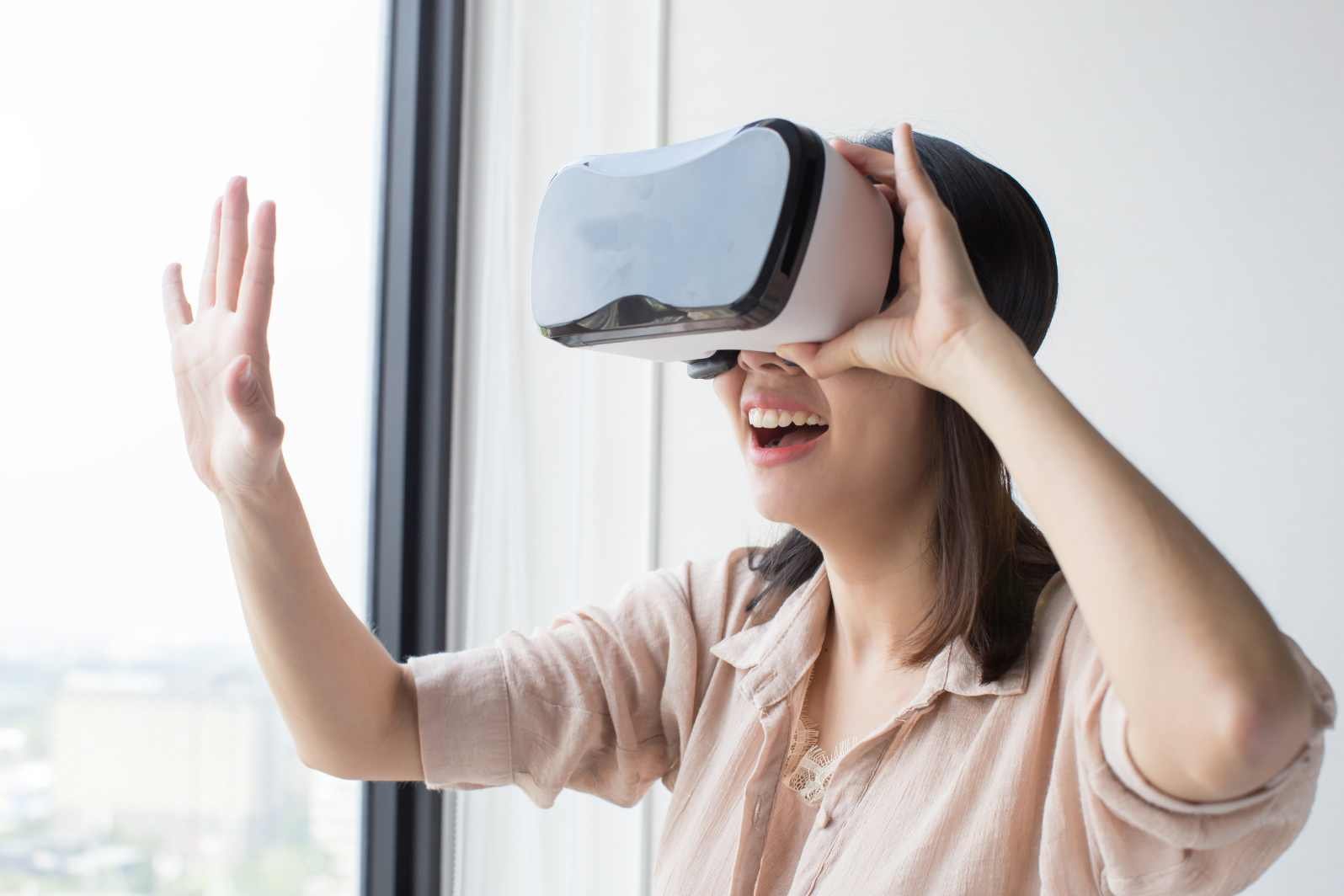
Technology has always promised to make life easier, faster and more connected. Computers on desks replaced by smartphones in our hands; each leap has transformed how we engage with, and experience, information. Now, a new wave is arriving — spatial computing. It also mixes the physical and digital in ways that used to be science fiction but are increasingly reality.
What is Spatial Computing?
Spatial computing refers to interacting with the physical world using digital technology. Rather than staring at information on a flat screen, spatial computing lets us see and touch and move through digital data as if it were part of the world around us. The technique combines real and virtual spaces with the help of augmented reality (AR), virtual reality (VR), mixed reality (MR), sensors and AI.
For instance, if you put on a pair of AR glasses and directions appear overlaid on the road ahead of you, that’s spatial computing. And when architects walk through a 3D model of a building, before it is constructed, that’s also spatial computing in gear.
How Spatial Computing Works
Here’s how spatial computing operates, with three key technologies:
- Sensors and Cameras – They are a way for hardware to sense the physical world. They are monitoring movement, things and places.
- Artificial Intelligence (AI) – With AI, the sensor data is processed and can also predict how users interact with virtual objects.
- Immersive Displays- Devices (such as AR glasses, VR headsets or even a smartphone) overlay the digital layer on top of the real world.
They work together to create a cohesive ride where digital and physical elements feel of one piece.
Real-Life Uses of Spatial Computing
Spatial computing isn’t just for games or futuristic gadgets. And it’s already changing industries today:
1. Healthcare
Physicians already practice intricate surgeries in a virtual world thanks to spatial computing. AR tools can also help them visualize veins or organs better when working during actual operations.
2. Education
Students can explore 3-D views of other planets, conduct science experiments in virtual labs or discover history by “walking” through ancient cities.
3. Architecture and Real Estate
Builders and buyers can take virtual tours of homes before they’re built. This is a time saver and allows for more informed decisions.
4. Manufacturing
Factories rely on spatial computing to train workers, inspect machine parts and create new products more quickly using 3D models.
5. Retail and Shopping
And there are the possibilities of trying clothes on at home with AR before buying them online. Many brands are taking the approach to help reduce return rates and improve the experience for customers.
6. Entertainment
Spatial computing also makes entertainment more engaging, from immersive video games to interactive movies and live events.
Why Spatial Computing Matters
But the best thing about spatial computing is that it’s more natural technology. We don’t press buttons or type commands, we interact with digital content the way we would with real objects. This creates a world where:
- Work becomes more efficient
- Learning becomes more engaging
- Shopping becomes more personal
- Entertainment feels more real
The Future of Spatial Computing
Spatial Computing is only going to get more powerful in the years ahead. The market is already broadening, though, with devices like Apple Vision Pro and Meta Quest. Before we know it, most people won’t even be donning the (relatively) bulky headsets. Smart glasses, holograms and perhaps even brain-computer interfaces will help the digital world blend even more seamlessly with the physical.
As 5G and upgraded internet proliferate, spatial computing will take root in our everyday lives, whether in classrooms or offices or homes.
FAQs:
Q1. What is the distinction between AR, VR and spatial computing?
AR overlays digital objects on the real world, VR constructs a wholly parallel universe of digital space and spatial computing marries both with sensors and artificial intelligence — tying together data with our literal reality.
Q2. Does it only apply to gaming?
No. It is employed in health care, education, real estate, retail and other sectors. Gaming is the least of it.
Q3. Do I need special spatial computing hardware?
Yes. To take full advantage, you’ll need devices such as AR glasses, a VR headset or a fancy phone.
Q4. How will spatial computing impact jobs?
It will generate new opportunities in sales, programming and design, virtual goods and services; it will also digitize jobs that were once dependent on training and maintenance.
Q5. Is spatial computing safe for our health?
It is safe in moderation. But as with any screen-based technology, prolonged use can lead to eye strain or tiredness.