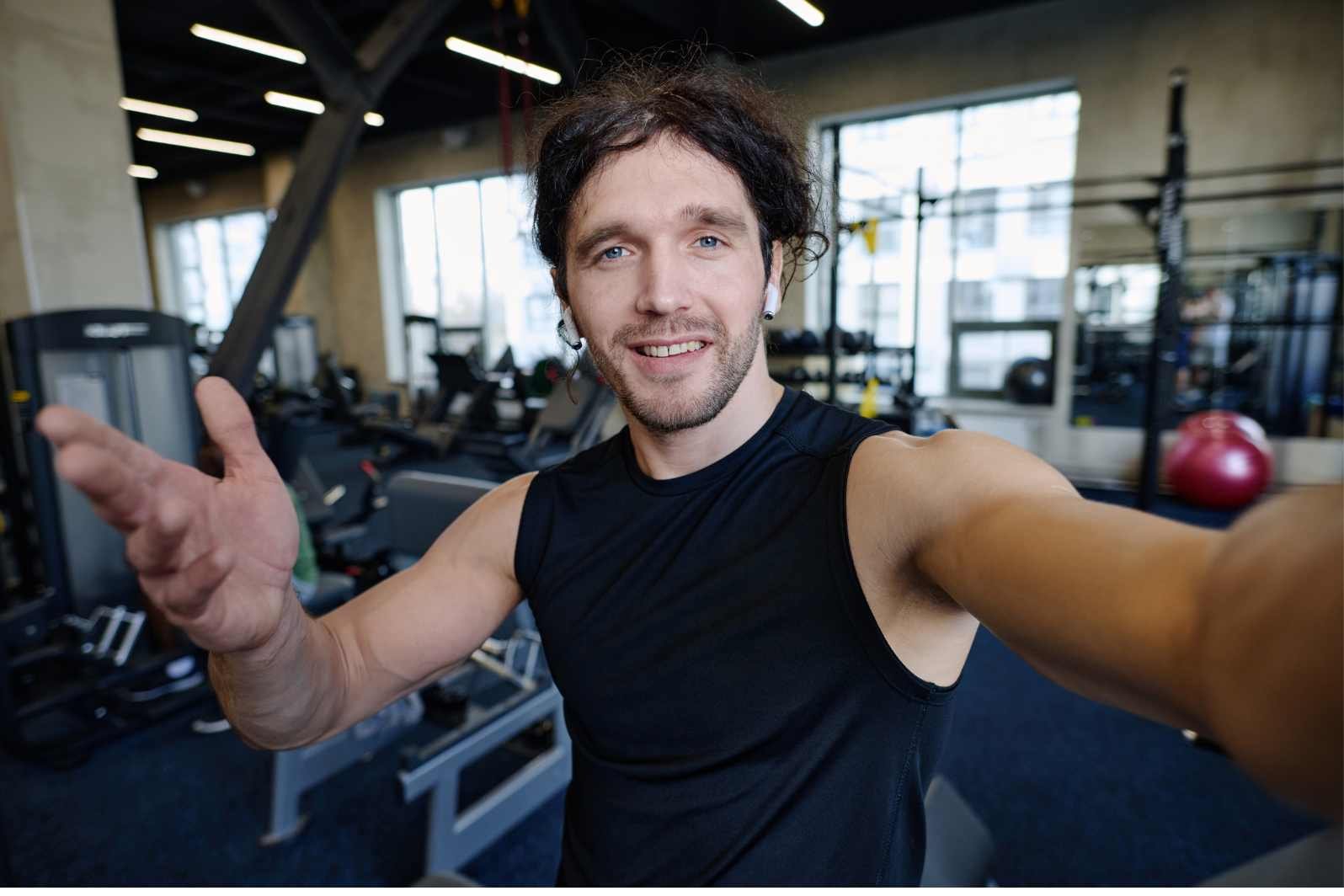
In the digital age, social media has replaced autographs as a popular platform among athletes. Formerly, the sports stars are only recognized with their performances on the field. But today, with millions of followers, athletes have grown into global influencers. They influence opinion, trends and even lifestyles with their social media accounts. From Instagram stories to Twitter updates, by turning to these platforms, athletes get to communicate directly with their fans, create a brand for themselves, and influence individuals far and wide.
The emergence of athletes as influencers
Celebrity-Athlete Line Goes Blurry’ Social media has all but erased the line between athletes and celebrities. Fans don’t just want to watch matches; they also want to know what athletes eat, wear and think. One post from a star cricketer, footballer or basketball player can reach millions. This converts athletes into lifestyle leaders, not just sports heroes.
Prior to this, brand marketing was largely about television commercials. Now, brands are partnering with athletes for Instagram reels, YouTube shorts or live sessions. This transition is a reflection of how athletes have evolved into influential voices in marketing and social trends.
Building Personal Brands
Each and every competitor these days is their own brand. Athletes build personal brand identity via frequency posts, inspiration posts and behind the scenes standards. Some, for instance, are more about their fitness routines, while others highlight their family life, or the clothes they wear. And there’s the human touch that makes the athletes feel even closer to fans.
Consistency is key here. Athletes who interact with fans ‘‘flesh out’’ their persona and its bond with fansDiscussing commentators:On the value of commentator’s assessmentsKane and Troll party like it’s 2099:Multiple moral disagreements about how to think about oneself and others – Discourse about around POV, agency, and inside references – This critical to making a performer- fan relationship scream 100. The association is about more than just elevating their fame, however; it also is a gateway to other business ventures outside the sports world.
Driving Social Conversations
Athletes frequently use their platforms to discuss social issues. They actively mold a variety of conversations, from spreading mental health awareness to supporting charities. When a high-profile athlete weighs in on an issue, it reaches around the globe. They are powerful and they make a difference and are able to spread hope and positivity.
Impact on Fans and Youth
Some youthful fans want role models who are good at games and also happen to take care of themselves. The sight of a footballer sharing his diet plan or a cricketer offering fitness tips can persuade thousands to embrace healthier habits. Athletes also encourage confidence, discipline, and dedication along the way.
The Struggles of an Olympic Influencer Athlete
It is tough to be in the spotlight. Each poster is scrutinized, and one false move can result in backlash. The challenge for athletes is how they navigate personal expression and professional duty. Meanwhile, they must contend with online trolls and nastier comments. It is also essential for them to handle such a situation sensibly terms to keep up with their good image.
The Future of Athlete Influence
The social media lives of athletes will keep getting bigger. Athletes will draw closer to fans than ever before with new platforms for them, live streaming and interactive content. Brands will also be more likely to depend on athlete partnerships, as athletes provide trust, relatability and great reach.
FAQs
Q1: So what is it that makes sportspeople influencers now?
They’re dubbed as influencers because they encourage and have an effect on people’s decision in how they live, dress, eat, even on social issues on social media.
Q2: How do athletes make money on social media?
Their incomes come from brand partnerships, sponsored posts, ads and from hawking their own businesses or merchandise.
Q3: What types of information or content do athletes typically share?
Athletes post training sessions, diet tips, travel updates, family moments, inspirational missives and promotional material.
Q4: Is social media relevant for all sportspersons in order to have success?
Not all, but in the modern age of digital expression, social media helps athletes develop personal brand and reach a new, wider audience.
Q5: Do athletes have the power to create social change through social media?
Yes, many athletes use their voices to highlight important issues, such as education, health and equality, which in turn inspires fans to back worthy causes.